Recent Post

Smart Goal Setting for Baccarat Tournament Players ...
Baccarat tournaments present a unique challenge that requires more than just understanding the basic card rules. Succeeding in these competitive events demands strict mental preparation and a structured approach to tracking performance. By establishing clear objectives before the first hand is dealt, players can maintain focus under intense leaderboard pressure.
The Core Benefits of Objective Planning
Setting specific milestones shifts a player's focus away from temporary luck and toward long-term statistical advantages. Instead of focusing entirely on winning the top cash prize, tournament enthusiasts should aim to make optimal choices during each round. This tactical shift reduces emotional anxiety and allows for clearer mathematical calculations at the table.
Establishing small, measurable targets ensures that you stay engaged throughout long gaming sessions. For instance, a player might focus on tracking the exact chip counts of opponents during the final five hands of an elimination round. These smaller milestones build the professional habits needed to achieve consistent placement across multiple events.
Process Goals vs Outcome Objectives
Many participants make the mistake of focusing strictly on final outcomes, such as reaching the final table. While ambitious targets are helpful, they are often dictated by the unpredictable nature of card distribution. Process-oriented objectives, on the other hand, focus entirely on elements within a player's direct control.
Examples of process objectives include maintaining a consistent betting pace and correctly managing your bankroll according to tournament rules. Serious players often use reliable gaming platforms like the login situs m88 portal to test their strategic pacing in competitive environments. By prioritizing the decision-making process over immediate chips, you naturally improve your final outcomes.
Managing Bankroll Targets Across Rounds
A vital aspect of smart planning involves allocating your tournament resources systematically across various elimination stages. The early rounds require a conservative approach aimed at survival rather than building a massive chip stack. Rash decisions during these opening deals often lead to early elimination before the high-value rounds begin.
As the structure changes and the blinds increase, your financial targets must adapt to match the momentum of table leaders. Calculate the minimum chip stack required to advance and adjust your risk levels based on that specific target number. This prevents unnecessary risks when you are already in a safe position to advance.
Reviewing Performance Data for Future Success
The final step in a successful tournament strategy involves conducting a detailed post-game analysis of your choices. Documenting the hands where your strategy succeeded or failed provides valuable data for future preparation. This regular review process separates seasoned champions from casual participants over time.
Analyze whether you stayed committed to your pre-defined milestones or let emotional pressure dictate your wagers. Adjust your future plans based on these personal insights to steadily eliminate structural weaknesses in your game. Continuous self-reflection ensures that each tournament serves as a stepping stone toward mastery.

Reward Algorithms Behind Random Systems ...
Modern digital ecosystems rely heavily on sophisticated programming to govern how random events distribute prizes and incentives. Behind every unexpected virtual drop or surprise bonus lies a complex mathematical architecture designed to manage probability seamlessly. By exploring the mechanisms governing these calculations, developers can build systems that maintain equity while delivering engaging experiences for participants.
The Core Mathematics of Distributed Chance
At the center of any randomized framework is the pseudo-random number generator, which simulates true unpredictability through computational mathematical formulas. These generators calculate outcomes instantly based on specific numerical inputs, ensuring that distribution patterns remain uniform over long periods. This fundamental logic prevents systemic biases, ensuring that every user has a theoretically identical opportunity to trigger rare events.
To refine this experience, many platforms implement dynamic weight systems that alter distribution probabilities based on real-time activity metrics. For instance, an algorithm might track how long a user has participated without receiving a significant reward and subtly adjust the local probability curve. This balancing method ensures steady engagement while avoiding the exhaustion associated with long stretches of unfavorable luck.
Balancing Fairness and Virtual Scarcity
Creating an algorithmic structure that feels balanced requires a delicate calibration of item availability and probability thresholds. If valuable outcomes occur too frequently, the overall system risks inflation, which degrades the perceived worth of individual items. Conversely, keeping probability rates excessively low creates frustration and diminishes long-term participant trust.
To establish computational transparency, contemporary systems regularly integrate clear probability tables that list exact mathematical odds for users. Enthusiasts looking to explore secure digital platforms can look for a reliable login situs m88 interface to test these algorithmic systems in structured virtual environments. Maintaining open channels regarding drop percentages builds community loyalty and reinforces the legitimacy of the mathematical frameworks.
The Role of Reinforcement Learning in Modern Systems
Advanced algorithmic frameworks are increasingly incorporating machine learning components to optimize how incentives are delivered over time. These systems utilize continuous data analysis to observe participant behaviors and evaluate which scheduling methods yield the highest satisfaction. By studying these interactions, the software automatically modifies its delivery pacing to suit different engagement preferences.
This computational approach moves beyond simple fixed-ratio distribution models toward deeply personalized participant experiences. When algorithmic responses adapt fluidly to user engagement levels, the virtual environment feels noticeably more intuitive and rewarding. As these intelligent systems continue to evolve, the intersection of mathematical predictability and software learning will remain crucial to digital design.

How Independent Labs Test RNG ...
The integrity of modern digital gaming relies heavily on the transparency of its underlying systems. To guarantee that players encounter truly unpredictable outcomes, operators must submit their software to rigorous external evaluations. Independent software testing laboratories play a vital role in this ecosystem, providing the objective oversight necessary to verify that mathematical algorithms operate without bias or manipulation.
Source Code Evaluation
The assessment process typically begins with a comprehensive review of the game engine's source code. Highly trained engineers meticulously examine the mathematical algorithms to ensure they comply with strict international software engineering standards. This phase is crucial for identifying any structural vulnerabilities, coding anomalies, or hidden patterns that could inadvertently compromise the unpredictability of the generation engine.
Furthermore, analysts verify that the software cannot be influenced by external operational variables such as stake size, player identity, or historic payout streaks. Ensuring total computational independence across all game rounds is the foundational requirement for establishing long-term software security. Through this thorough engineering review, the testing facility confirms that the architectural foundation of the application is completely robust.
Statistical Analysis and Testing
Once the initial code review is finished, the laboratory executes large-scale empirical tests using immense data samples. Specialized software platforms simulate millions of consecutive game rounds to gather a statistically significant sequence of numerical outputs. These generated data streams are then subjected to traditional cryptographic tests, including uniformity and serial correlation evaluations, to confirm an even distribution.
The primary objective is to verify that every single outcome remains completely independent of the results that preceded it. Players looking for verified digital entertainment platforms often seek out services that utilize these certified systems via a trusted login situs m88 connection. Passing these rigorous statistical batteries provides absolute mathematical proof that the game operates with standard statistical randomness.
Evaluation of the Seed System
For pseudo-random generators, the security of the initial starting value, known as the seed, requires specific oversight. Testing laboratories verify that the seeding mechanisms draw from chaotic, highly unpredictable system parameters to prevent sequence replication. If the seed generation process is weak, sophisticated external actors might eventually deduce the pattern and predict future outcomes.
Experts simulate various system states and potential intrusion scenarios to guarantee that the seed remains hidden from outside manipulation. They also check the frequency of re-seeding operations to confirm that the game engine constantly refreshes its statistical baseline. Protecting this core entry point ensures that the entire downstream sequence remains computationally secure over prolonged operational periods.
Continuous Auditing and Certification
Achieving initial compliance is only the first step in maintaining industry-wide operational transparency. Independent testing facilities issue formal compliance certificates, but they also mandate regular subsequent audits to ensure ongoing software integrity. Any updates, patches, or modifications to the game software require a completely new verification cycle before deployment.
Continuous live-data monitoring allows laboratories to review actual performance metrics against the theoretical models established during initial testing. This rigorous cyclical structure protects the global community from unexpected software degradation or undetected platform tampering. Ultimately, this ongoing oversight remains the definitive mechanism driving trust and innovation throughout the interactive entertainment market.

The Core Principles of Sic Bo Dice Games ...
Sic Bo is a traditional dice game of ancient Chinese origin that has successfully transitioned into the modern digital casino era. While its fast-paced nature and vibrant table layouts attract many players, various myths have emerged surrounding its mechanics. Understanding the reality behind these common misunderstandings is essential for anyone wishing to appreciate the game fully and play responsibly.
The Fallacy of Hot and Cold Streaks
Many players mistakenly believe they can predict future dice results by analyzing past outcomes on the electronic history boards. They often assume that if a specific total or single number has not appeared for several rounds, it is bound to land soon. In reality, every single roll of the three dice is an entirely independent event governed by pure mathematical probability.
The concept of memory does not exist within random dice shakers or digital random number generators. A streak of Small or Big outcomes has absolutely no statistical influence on the subsequent roll of the dice. Attempting to chase historical patterns typically leads to frustration and unnecessary bankroll depletion rather than consistent success.
Misunderstanding Complex Betting Options
Another popular misconception is that advanced or complicated betting combinations somehow reduce the house edge or guarantee wins. The complex layout of a Sic Bo table features dozens of specific total wagers, double combinations, and high-paying triple bets. While these specific options offer highly appealing payout ratios, they also carry a much higher house advantage.
For those looking to explore trusted platforms safely, accessing a secure platform like the login situs m88 portal allows beginners to observe live dealers and study the board layout. Starting with the basic Small and Big bets is generally recommended because they offer the lowest house edge at around 2.78 percent. Relying heavily on high-risk triple bets will rapidly erode your funds because the probability of hitting them is only 1 in 216 rolls.
The Reality of Strategy in Chance Games
A widespread myth suggests that implementing specific progressive wagering systems can completely beat the house advantage over time. Systems like the Martingale or various mathematical sequences are frequently promoted as foolproof ways to recover previous losses. However, because Sic Bo is fundamentally a game of immediate chance, no betting pattern can alter the mathematically fixed probabilities of the dice.
The most effective approach involves implementing disciplined money management rather than relying on fictional strategic loopholes. Setting clear loss limits and win goals before starting a session ensures a sustainable and enjoyable gaming experience. Acknowledging that luck plays the definitive role allows players to maintain control and make rational decisions throughout each round.

The Core Principles of Sic Bo Dice Games ...
Sic Bo is a traditional dice game of ancient Chinese origin that has successfully transitioned into the modern digital casino era. While its fast-paced nature and vibrant table layouts attract many players, various myths have emerged surrounding its mechanics. Understanding the reality behind these common misunderstandings is essential for anyone wishing to appreciate the game fully and play responsibly.
The Fallacy of Hot and Cold Streaks
Many players mistakenly believe they can predict future dice results by analyzing past outcomes on the electronic history boards. They often assume that if a specific total or single number has not appeared for several rounds, it is bound to land soon. In reality, every single roll of the three dice is an entirely independent event governed by pure mathematical probability.
The concept of memory does not exist within random dice shakers or digital random number generators. A streak of Small or Big outcomes has absolutely no statistical influence on the subsequent roll of the dice. Attempting to chase historical patterns typically leads to frustration and unnecessary bankroll depletion rather than consistent success.
Misunderstanding Complex Betting Options
Another popular misconception is that advanced or complicated betting combinations somehow reduce the house edge or guarantee wins. The complex layout of a Sic Bo table features dozens of specific total wagers, double combinations, and high-paying triple bets. While these specific options offer highly appealing payout ratios, they also carry a much higher house advantage.
For those looking to explore trusted platforms safely, accessing a secure platform like the login situs m88 portal allows beginners to observe live dealers and study the board layout. Starting with the basic Small and Big bets is generally recommended because they offer the lowest house edge at around 2.78 percent. Relying heavily on high-risk triple bets will rapidly erode your funds because the probability of hitting them is only 1 in 216 rolls.
The Reality of Strategy in Chance Games
A widespread myth suggests that implementing specific progressive wagering systems can completely beat the house advantage over time. Systems like the Martingale or various mathematical sequences are frequently promoted as foolproof ways to recover previous losses. However, because Sic Bo is fundamentally a game of immediate chance, no betting pattern can alter the mathematically fixed probabilities of the dice.
The most effective approach involves implementing disciplined money management rather than relying on fictional strategic loopholes. Setting clear loss limits and win goals before starting a session ensures a sustainable and enjoyable gaming experience. Acknowledging that luck plays the definitive role allows players to maintain control and make rational decisions throughout each round.

Top Bridge Games for Casual Entertainment ...
Finding the perfect card game for a relaxed evening with friends can significantly elevate your weekly leisure time. Contract bridge stands out as an exceptional option that beautifully blends deep tactical choices with lighthearted social interaction. Engaging in this classic pursuit offers a wonderful way to unwind after a busy week while keeping your mental faculties completely sharp and active.
Choosing the Best Casual Formats
When playing for pure enjoyment with a group, transitioning to simpler variations like Minibridge can make the entire experience much more accessible. This beginner-friendly format completely eliminates the complex bidding systems that often intimidate new players, allowing everyone to jump straight into the fun phase of playing the cards. It keeps the table atmosphere incredibly friendly and stress-free while beautifully preserving the fundamental core mechanics of the classic game.
Another popular option for casual living room gatherings is Chicago bridge, which features a fixed and predictable four-deal structure. This smart variation successfully prevents games from dragging on indefinitely, making it absolutely ideal for standard social schedules and brief entertainment windows. Participants can easily rotate partners after each completed round to maximize the social dynamics and conversational flow of the gathering.
Digital Platforms for Relaxed Play
For those who prefer playing online during their free time, numerous modern applications offer dedicated rooms tailored specifically for friendly matches. These digital environments provide highly customizable rules and automated scoring systems that take the tedious math out of your leisure hours. You can easily connect with close friends across different locations or match with relaxed players globally without facing any competitive pressure.
Many web-based platforms also include helpful visual hints and training modules designed to gently assist casual enthusiasts as they enjoy the game. Exploring these diverse digital options allows you to enjoy the pastime seamlessly from the absolute comfort of your own living room. Many casual card game enthusiasts often seek out the convenient login situs m88 option to access diverse online communities and test their card strategies.
Enhancing the Social Experience
To maximize the entertainment value of your casual sessions, focusing entirely on partnership communication rather than perfect execution is key. Establishing simple, creative signals with your chosen teammate can lead to highly amusing moments and memorable post-game table discussions. The primary goal of these gatherings should always remain focused on shared laughter and friendly camaraderie rather than intense point accumulation.
Setting up a comfortable playing environment with light snacks and background music further enhances the overall atmosphere of the evening. Casual bridge thrives beautifully when players feel free to discuss hands openly and learn from their mistakes together without any judgment. This cooperative spirit ultimately transforms a classic mind sport into the ultimate relaxing hobby for family and friends alike.

Mobile Card Games with Creative Mechanics ...
The mobile gaming landscape has experienced a major shift over recent years, moving far beyond traditional card match archetypes into highly complex systems. Mobile developers are actively pushing creative boundaries by integrating hybrid elements that challenge traditional tactical conventions. These unique design choices offer fresh engagement models that appeal to both casual players and hardcore strategy veterans alike.
Rethinking Spatial Positioning and Board Dynamics
Traditional card applications typically restrict card interaction to standard rows, but newer titles are introducing interactive spatial layouts like hexagonal grids. Players must now carefully calculate positioning advantages and environmental obstacles rather than simply comparing raw power numbers. This added layer of physical placement transforms the board into a dynamic puzzle where positioning dictates defensive strength.
Furthermore, managing spatial constraints requires users to anticipate opponent movement options several turns in advance. Advanced systems even allow cards to modify the grid layout itself, creating temporary barriers or opening up hidden attack vectors. This integration of tactical board mechanics into traditional digital card layouts provides a remarkably deep level of strategic satisfaction.
Advanced Deck Manipulation and Shuffling Systems
Another prominent evolution involves altering how card decks are built and manipulated dynamically throughout an active match. Instead of relying purely on random draws, modern iterations introduce innovative drafting mechanics where specific actions trigger targeted deck pruning. This enables players to actively remove weaker elements mid-game and maximize the frequency of drawing their most powerful combinations.
For enthusiasts eager to explore modern digital spaces that test these tactical abilities, accessing a verified portal via the login situs m88 hub can offer an intriguing gateway to competitive environments. Mastering these real-time shuffling modifications requires players to adjust their probabilities dynamically based on live card metrics. This reduction of pure randomness elevates the importance of calculated planning over basic luck.
Asymmetric Cooperation and Shared Drafting Pools
Cooperative game modes are also undergoing a significant mechanical transformation through the use of shared resource pools and distinct player roles. Instead of competing in absolute isolation, players must strategically negotiate which cards to select from a central drafting lane to achieve common victories. This design philosophy emphasizes intense communication and requires a complete understanding of your teammate's specific card operational capabilities.
Additionally, asymmetric layouts grant each individual unique tactical tools, meaning that success relies on combining highly diverse playstyles smoothly. Balancing communal resource distribution against immediate localized threats adds an exciting layer of cooperative tension to every round. These interactive innovations successfully demonstrate how digital card games can function as rewarding multiplayer team sports.
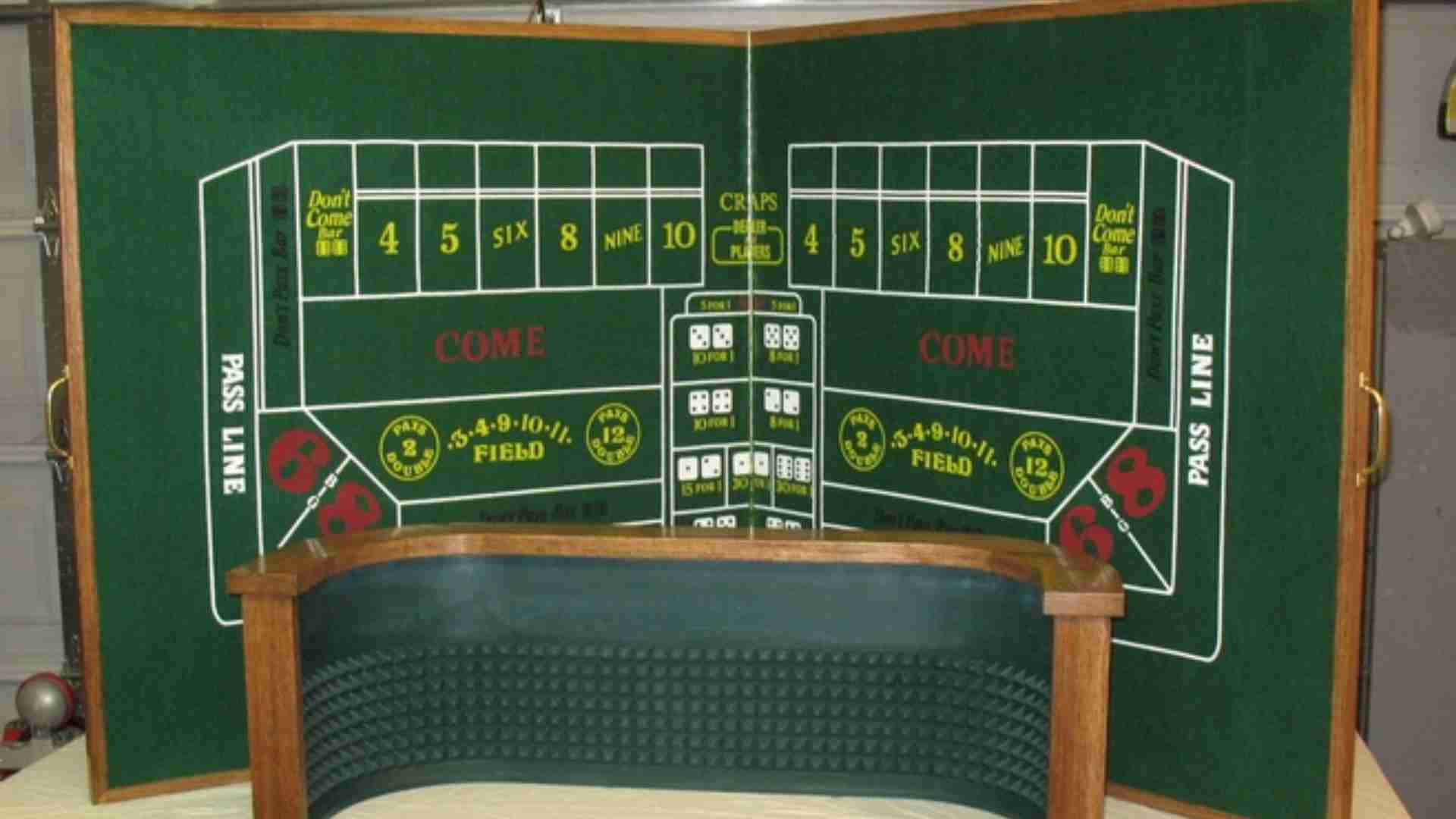
Craps Gameplay Explained Step by Step ...
Walking up to a lively casino craps table can feel overwhelming due to the rapid action, loud cheers, and unique layout vocabulary. However, breaking the game down into its sequential steps reveals a highly logical and engaging structural flow. Understanding how each round unfolds allows newcomers to join the table and place their wagers with complete confidence.
Step 1 The Initial Come Out Roll
Every new round of craps begins with an opening sequence known specifically as the come-out roll. Before the shooter throws the pair of dice, participants place their fundamental wagers on the designated table areas. The main objective during this initial phase is to establish a clear gameplay direction for the rest of the round.
If the initial roll results in a natural seven or an eleven, all players who backed the pass line win cash immediately. Conversely, throwing a two, three, or twelve results in a craps designation, which causes an automatic loss for those line wagers. Any other total rolled establishes a point number that dictates the next stage of gameplay.
Step 2 Navigating the Point Phase
Once a point number is established, the dealer marks it clearly on the physical layout using a large plastic puck. The shooter must now continue rolling the dice continuously until they successfully replicate that exact target number. However, if they roll a combination totaling seven before hitting the point, the current round ends immediately.
This crucial phase opens up many advanced betting opportunities across the felt for strategic players looking to maximize their payouts. To explore secure digital environments for practicing these mechanical steps, checking a trusted login situs m88 can provide highly useful resources. Maintaining strong focus during this intermediate stage helps players manage their active chips effectively as the game progresses.
Step 3 Incorporating Odds and Side Wagers
During the active point phase, participants can take advantage of unique additional wagers called behind-the-line odds bets. These specific options are highly favored by experienced enthusiasts because the casino holds absolutely no mathematical house edge over the player. You simply place extra chips directly behind your original line wager to back your established number.
Aside from the standard options, players can also explore place bets and come bets dynamically as the dice keep rolling. These secondary options allow you to cover multiple numbers simultaneously to capitalize on sustained hot streaks. Beginners should generally limit themselves to simple choices to keep track of the action without unnecessary confusion.
Step 4 Resolving the Round and Rotating the Shooter
A standard round officially concludes when the shooter either hits the target point or rolls a seven. Hitting the point results in a victory for the line bettors, and the same shooter prepares for a new come-out roll. If a seven appears first, it is called a seven-out, which clears the board and passes the dice to the next player.
This natural rotation keeps the table energy moving smoothly and ensures everyone gets a fair chance to participate. Understanding this final transition completes the fundamental loop of standard casino dice entertainment. Sticking to a disciplined budget through each sequential phase remains the best way to enjoy sustainable success.

Probability Game Exercises for Students ...
Introducing probability through traditional textbook formulas can often feel distant and overly complex for young learners. By incorporating dynamic game exercises into the curriculum, educators can transform abstract mathematical ideas into engaging, hands-on experiences. These collaborative activities help students naturally grasp the fundamentals of chance while having fun with their peers.
The Value of Interactive Mathematics in Classrooms
Educational games provide a unique environment where students can test hypotheses and observe statistical outcomes in real time. Instead of merely memorizing fractions, young minds actively engage with concepts like event likelihood and sample spaces. This practical discovery method significantly increases long-term retention and develops core logical reasoning abilities.
Furthermore, group-based challenges encourage deep mathematical discussions and team collaboration among participants. Learners learn to articulate their reasoning, share diverse strategies, and analyze data collectively to solve problems. This supportive social interaction helps bridge learning gaps and reduces the anxiety often associated with STEM subjects.
Practical Dice and Card Activities for Lessons
Simple tools such as standard dice and playing cards serve as excellent resources for creating immediate classroom experiments. Teachers can design exercises where students predict the frequency of specific totals or color distributions over multiple rounds. Tracking these empirical results allows learners to compare theoretical probability with actual real-world outcomes effectively.
For older students, introducing multi-stage card picking scenarios can highlight the critical difference between independent and dependent events. By adjusting the variables after each turn, participants witness how previous actions directly influence future possibilities. When looking for structured platforms to observe these logical variations in action, modern educational portals or a reliable login situs m88 can offer useful perspectives on how digital random number generation models operate.
Developing Long-Term Analytical Thinking Skills
Engaging regularly with probability challenges cultivates vital risk assessment capabilities that apply far beyond the school walls. Students begin to understand that uncertainty is a measurable aspect of daily decision-making processes. This logical framework empowers them to look at statistics critically in fields like science, finance, and everyday logic.
Ultimately, transforming theoretical data into physical play removes intimidation and fosters a natural curiosity for mathematics. When children see numbers operating right in front of them, their confidence grows exponentially. Nurturing this analytical mindset early prepares them to navigate complex data environments with much greater ease and understanding.

Creative Scratch Card Concepts Worth Exploring ...
The world of instant-win gaming has entered a fascinating era of design transformation. While traditional formats relied heavily on straightforward matching rules, modern developers are pushing boundaries with thematic depth and artistic layouts. Exploring these fresh configurations reveals how basic chance-based formats can transition into deeply satisfying interactive milestones for casual enthusiasts globally.
The Fusion of Narrative and Interaction
Modern card layouts are incorporating story-driven layers that change how a player uncovers hidden symbols. Instead of simple surface-level scraping, participants find themselves unlocking chapters of a visual journey as they progress. This creative shift transforms an instant activity into a multi-tiered narrative experience that values player immersion alongside potential rewards.
By structuring individual reveals around specific character choices or path options, developers create a strong sense of personal adventure. This added layer of design satisfies players who crave meaningful themes rather than just automated repetition. Consequently, these story-centric options are setting an entirely new baseline for contemporary entertainment standards.
Immersive Visual Aesthetics and Audio Integration
High-definition graphics combined with dynamic audio effects have redefined what modern interfaces look like. Creative releases utilize atmospheric soundscapes and cinematic animations that elevate the anticipation felt during the initial reveal process. These multimedia additions ensure that every digital gesture feels tactile and distinctly rewarding to execute.
When searching for trusted platforms featuring these polished interfaces, visitors frequently seek out a reliable login situs m88 to explore premium gaming variations safely. Utilizing established hubs ensures that enthusiasts can witness next-generation graphic design functioning seamlessly across multiple device types. This commitment to visual consistency directly enhances player satisfaction and builds long-term community trust.
Innovative Micro-Mechanics and Bonus Formats
Beyond traditional match-three systems, new configurations introduce interactive mini-games directly inside the hidden panels. Players might find hidden paths, puzzle pieces, or multiplying factors that actively alter how potential prize structures unfold on screen. This inventive strategy keeps the underlying gameplay loop fresh and unpredictable over extended sessions.
Introducing progressive elements means that an individual attempt can occasionally yield unexpected gameplay choices on a subsequent turn. These hybrid structures blend the best aspects of arcade progression with classic lottery systems, appealing directly to a diverse, multi-generational demographic. As these inventive concepts mature, they continue to secure a prominent space within the broader interactive industry.
Semua artikel sudah ditampilkan.