Exploring the Long Standing Appeal of Solitaire Games
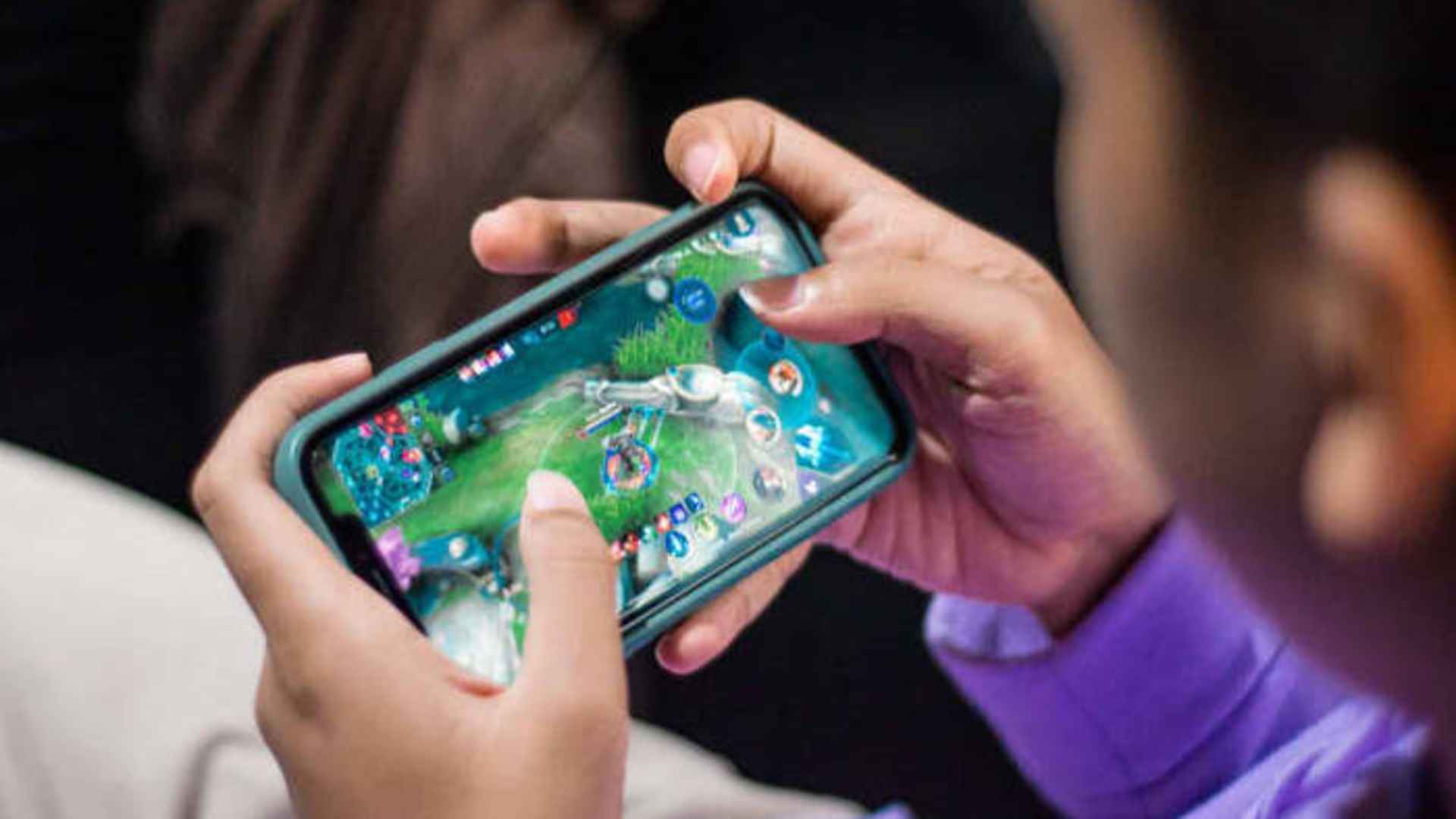
Solitaire has captivated card players for centuries, maintaining its position as one of the most enduring single-player pastimes in history. From traditional tabletop decks to pre-installed computer software and mobile applications, the game continues to draw millions of active players worldwide. Its quiet combination of personal strategy and mental clarity ensures that it remains relevant even in an age of fast-paced digital media.
The Historical Origins of Solitary Card Play
The origins of Solitaire, historically known as Patience, trace back to 18th-century Europe, where it initially served as a contemplative pastime. Over decades, regional variations emerged across France, Scandinavia, and Great Britain, expanding the core concept into dozens of distinct game styles. This long heritage established Solitaire not merely as a temporary trend, but as an essential element of modern leisure culture.
As physical card decks became affordable items in household households, the game spread rapidly across different social classes. It offered individuals a unique way to enjoy structured play without needing an opponent or group setup. This fundamental self-sufficiency remains a primary pillar of its lasting global popularity today.
A Balance of Strategic Thinking and Mindful Relaxation
One reason Solitaire retains its charm is the subtle balance it strikes between low-stress relaxation and active problem-solving. Each deal presents a fresh puzzle where players must evaluate hidden risks and calculate sequential moves carefully. The lack of strict timers allows individuals to set their own pace, fostering a meditative environment free from external pressure.
Engaging with structured card layouts helps sharpen focus and visual memory without causing cognitive exhaustion or mental fatigue. Modern gaming enthusiasts often explore digital entertainment hubs like m88 cá cược trực tuyến to observe how strategic decision-making and probability play out in different virtual environments. The internal satisfaction of turning a chaotic tableau into organized sequences provides a rewarding sense of personal achievement.
The Seamless Transition Into the Digital Age
The introduction of personal computers in the late 20th century transformed Solitaire from a traditional card game into a worldwide digital phenomenon. By bundling the game with early desktop operating systems, developers introduced millions of casual users to computerized gaming interfaces. Automatic shuffling and instant dealing removed physical preparation, making gameplay faster and more convenient than ever before.
Today, mobile platforms continue this digital legacy by providing instant access to thousands of Solitaire variations on smartphones and tablets. Features like daily challenges, custom card themes, and global leaderboards add novel layers of interaction while preserving the classic core experience. This adaptability guarantees that Solitaire will continue to engage future generations of players.